
The Limited Access Death Master File
Beloved by bureaucrats, tolerated by practitioners,
survived by better alternatives
The Limited Access Death Master File, known to friends and frustrated researchers alike as the LADMF, passed quietly from relevance sometime in the mid-2020s, having spent its final years covering a steadily shrinking 16% of U.S. deaths while the world moved on without it.
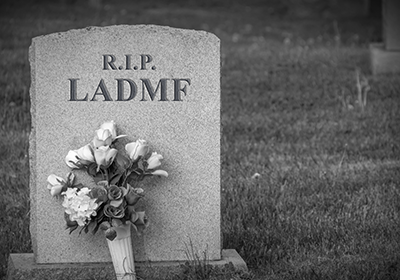 Rest in peace, Limited Access Death Master File
Born of good intentions following the Section 203 reforms of the Bipartisan Budget Act of 2013, the LADMF was created to protect the living from identity theft by restricting access to Social Security Administration death records. Ironically, in its zeal to protect the living, it became largely useless to those trying to find the deceased. With 8 out of 10 deaths not even appearing in the file.
It Is Survived By
The Berwyn Death Master File, which covers more than 70% of U.S. deaths and doesn't require a federal certification process, a lengthy application, annual recertification, or a quiet existential crisis upon realizing the data still isn't comprehensive enough to do the job.
The LADMF Is Remembered For
Requiring certified users to jump through considerable regulatory hoops to access data that represented less than one-fifth of actual U.S. mortality. Leaving insurers, pension administrators, healthcare systems and plans, and researchers to wonder about the other 84% of Americans who had the audacity to die outside its coverage. Making "limited" the most accurate word in its name. Inspiring Berwyn to build something better.
A Note from the Actuarial Community
"We appreciated the effort. We just needed the other 84%."
In Lieu of Flowers
The family requests that donations of uncovered death records be directed to the BerwynDMF, where they will finally receive the coverage and dignity they deserve.
No funeral services are planned, as identifying the attendees would have required a more comprehensive dataset.